
NO, THE GUTI ARE NOT AN EXCUSE! — The leaked tablets of the governor who wanted the harvest in with the barbarians at the gate
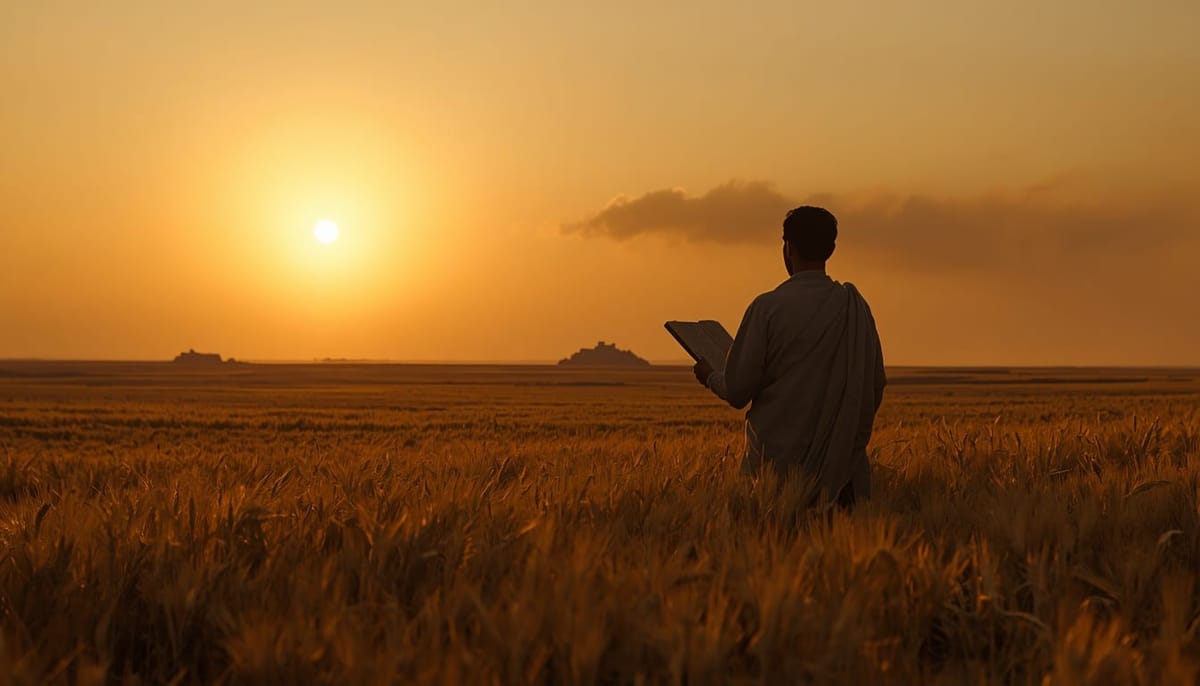
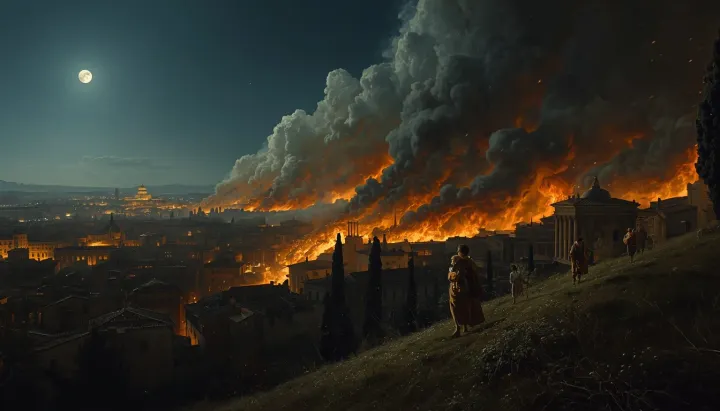
Territory of Akkad. The tablet still smells of fresh clay when it reaches my hands. It is signed by one Ishkun-Dagan, a governor in the service of King Shar-kali-sharri, and addressed to some poor devil named Lugalra. There is no prayer in it, no poetry: there is an order, and a threat. The empire Sargon built is falling to pieces, the Guti are coming down from the Zagros mountains to loot the barley fields, and the one thing that keeps this boss awake at night is that somebody — anybody — might bring him an excuse.
“Cultivate the field and watch over the cattle,” he writes. And, in case it wasn’t clear enough, he adds with his own reed: “And, above all, do not tell me: the Guti are around, I could not cultivate the field.”
Let the civil service of Sumer tremble. The boss who won’t accept an “but there was an invasion” is no invention of our century: he has gone forty-three centuries without forgiving a harvest, and now we have it in writing.
Administration: harvest or harvest
Ishkun-Dagan’s instruction leaves no gap. Post lookouts every mile — that is what the men are for — and meanwhile “you yourself go on and cultivate the field,” in person. If the Guti attack, you bring the cattle into town and that’s that. The war, the raiders, the fear: logistical details the good subject sorts out without bothering the office.
It is the great doctrine of the eternal boss, written in clay before any manual: the problem is not that there are barbarians; the problem is that you tell me about them.
Economics: the small print on the tablet
And then comes the threat, which is where you recognise the professional. Ishkun-Dagan recalls, almost fondly, the old days: “Formerly, when the Guti drove away the cattle, I never said a word; I always gave you silver for the damages.”
But that is over. “Now I swear by the life of King Shar-kali-sharri that, should the Guti drive away the cattle and you cannot pay out of your own pocket, I shall give you no silver when I come to town.”
Translated from Akkadian into the language of any office: the company covered the losses; from this quarter on, you cover them. And, while we’re at it, “I have already claimed from you the regular delivery of barley in piles. This is a warning.” The risk, always, rolling downhill to the last man holding the plough.
Society: no bread, no beer, no sitting down
In case anyone thought Lugalra simply drew a bad superior, it is worth knowing that Ishkun-Dagan was a repeat offender. In another tablet, addressed to a certain Puzur-Ishtar, the governor turns solemn and makes the recipient swear — by Inanna, by Ninhursag and by the life of the king and the queen — one very specific thing: that “you must touch neither bread nor beer, and must not even sit down on a chair, until you have come and seen me face to face.”
Read it slowly. A man forbidden to eat, to drink, to sit down, until he reports in person to the boss. Forty-three centuries later, anyone who has crossed half a city on an empty stomach to be seen “for five minutes” knows exactly what clay that knot in the gut is made of.
Gossip: the one who squeezes is squeezed
And here, among scribes, the inevitable question: why such fury over a harvest?
Because Ishkun-Dagan also has a boss, and his boss has an empire slipping through his fingers. Shar-kali-sharri is the last strong king of Akkad; behind him there is nothing but Guti, hunger, and a king-list that will last “a breath.” The governor who swears by the king’s life is no monster in a crown: he is a terrified middle manager, who takes the panic from above and passes it down, whole and without commission. The chain of fear is probably humanity’s first truly universal invention: older than money, older than law, as old as the first man who had another man above him.
The messengers say — and I neither confirm nor deny, for intercepting tablets is my trade — that in Lugalra’s field the work was done with eyes more on the horizon than on the furrow. Not for the Guti. For whether, through the dust, the donkey of the governor’s courier might appear.
Dust on the horizon
We do not know whether Lugalra kept the cattle. We do not know whether he sowed with the raiders a mile off, nor whether, in the end, he paid out of his own pocket for a cow that was not his. The next tablet never reached the archives, or was never written, or is still baking in some heap of rubble under the Iraqi sun.
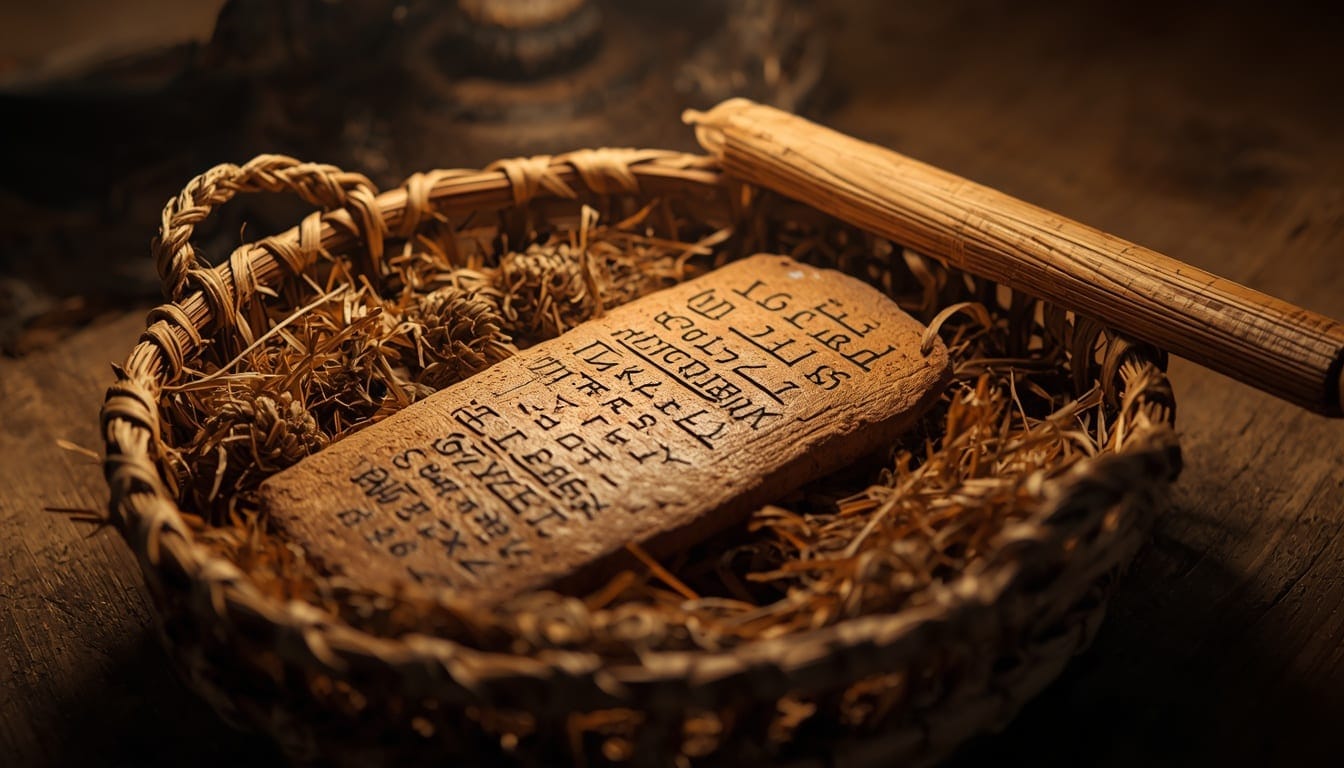
What we do know is that someone, 4,300 years ago, kept these lines in a reed basket the way one keeps a receipt, just in case. And that gesture — documenting the boss, you never know — we did not invent either.
Bal-Uruk “the Leaker” covers markets and audits for Ur-Intelligence. The tablets quoted are authentic; the translations are A. Leo Oppenheim’s.
Ninkasi's Beer
A rough day under the governor's orders?
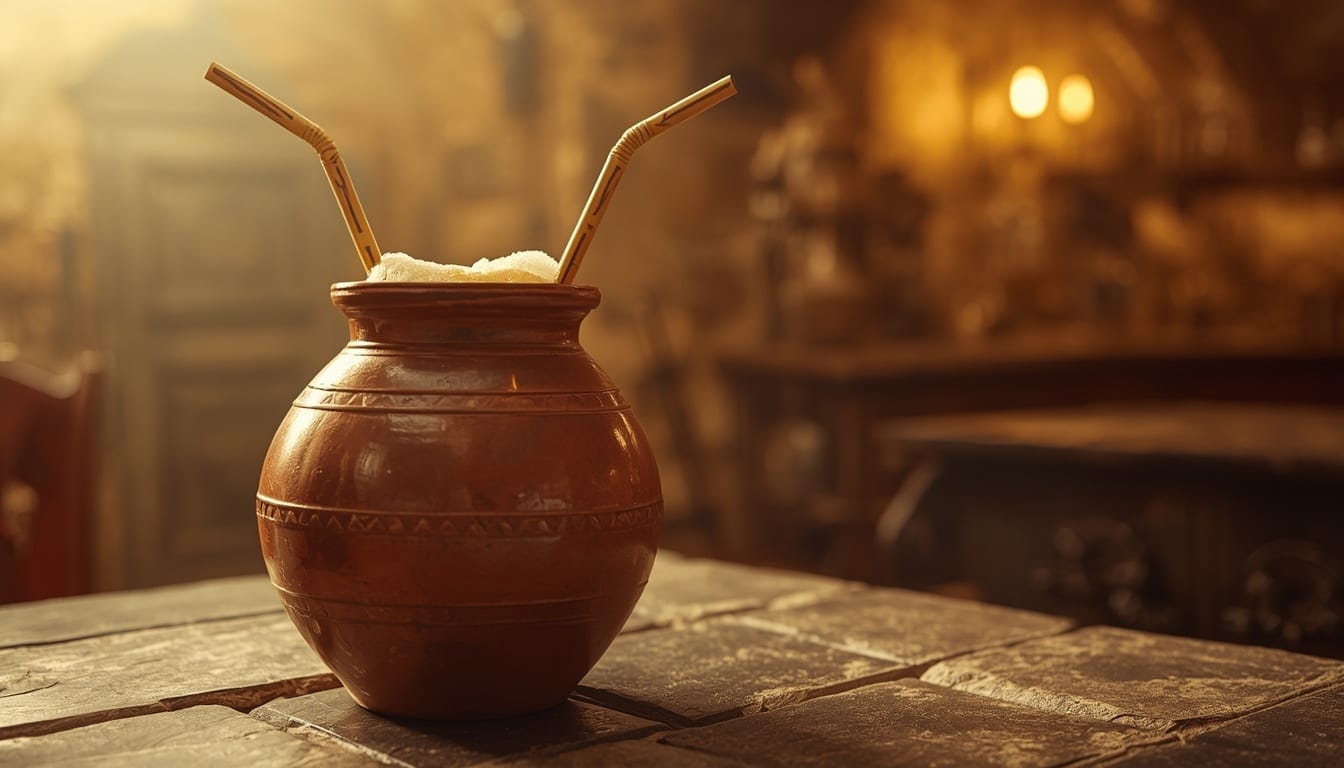
Brewed step by step to the hymn of Ninkasi, goddess of beer. Thick, golden, and served with its own reed straw to skirt the floating barley. At last, a defensible reason to sit back down.
* Donativo para el proyecto Pultsar News

Comentarios ()